Introduction
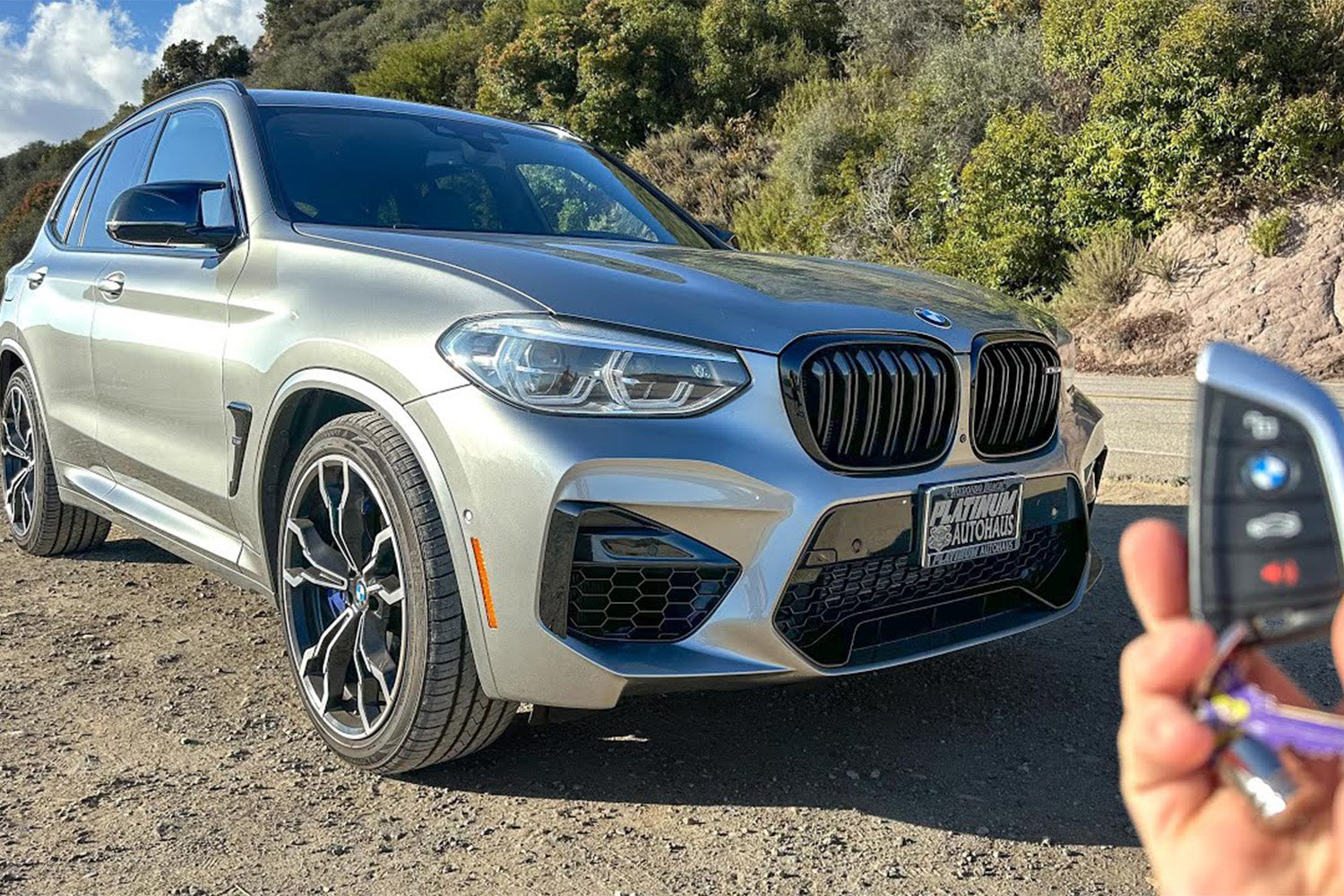
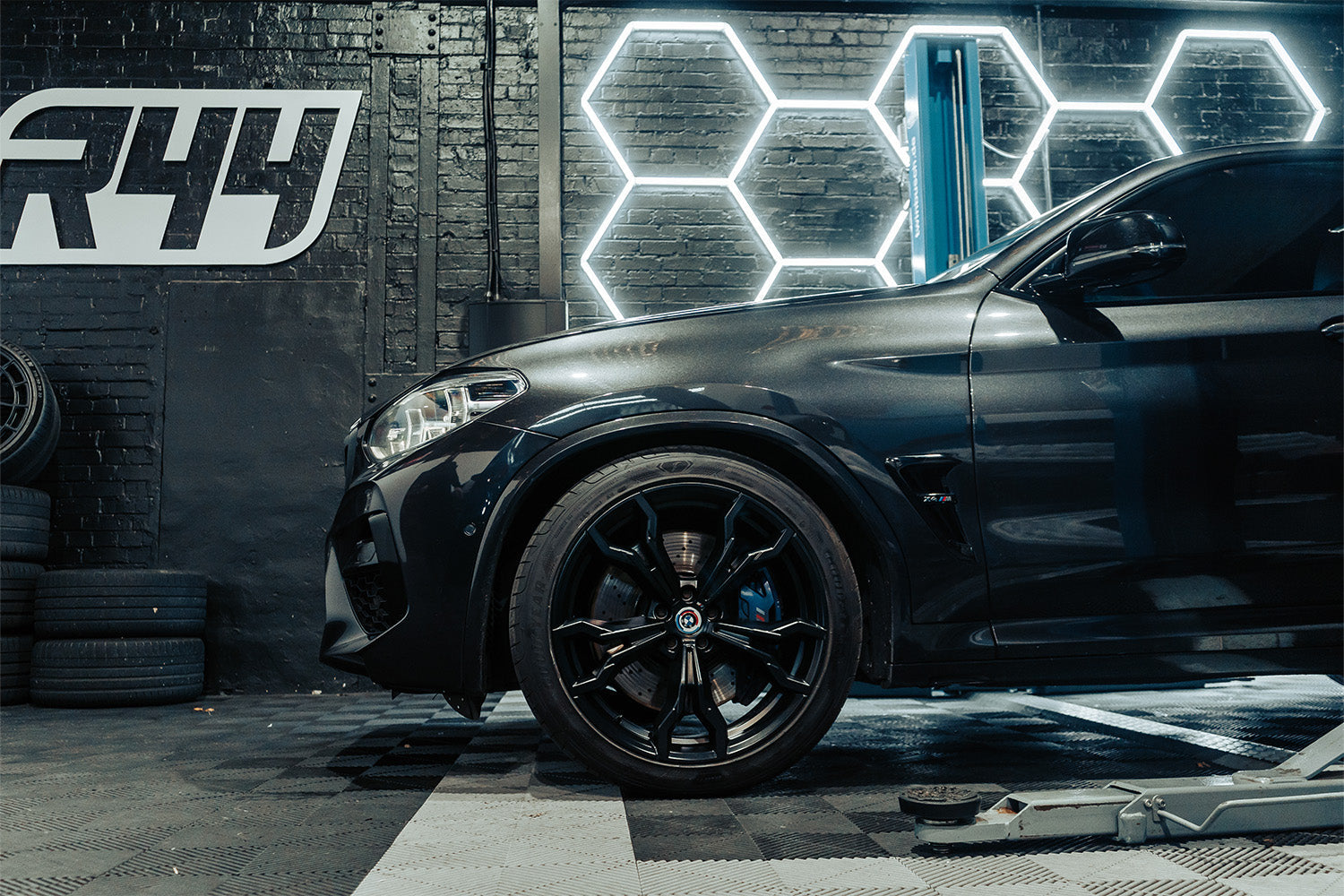
The BMW F97 X3M and F98 X4M are some of the most unusual performance cars BMW has ever produced. And with the next generation X3 & X4, there is no longer an M model available, making the X3M & X4M a unique BMW proposition. On paper, they offer supercar-level acceleration, everyday usability, and full practicality wrapped into a compact SUV format. In reality, they are high-performance SUVs with very specific compromises that don’t always show up in reviews or spec sheets.
This guide is written for real owners and buyers. Whether you’re considering buying an X3M/X4M or already own one and are wondering what to improve, this article explains what these cars are actually like to live with, where they fall short, and how to upgrade them purposefully for real-world driving.

What the BMW X3M & X4M Get Right
The S58 Engine
At the heart of both cars is BMW’s S58 twin-turbo straight-six - an engine that has quickly earned a reputation for strength, consistency, and tuning potential. In standard form, it delivers effortless performance, strong mid-range pull, and impressive top-end power for a vehicle of this size.
Unlike older high-performance BMW engines, the S58 is generally regarded as reliable when maintained properly, and there are currently no widely accepted systemic mechanical flaws in stock form.

Straight-Line Performance
These cars are deceptively quick. From a standing start or rolling acceleration, both the X3M and X4M feel genuinely fast, even by modern performance standards. The combination of turbocharged torque and all-wheel drive traction makes them extremely effective in everyday conditions.
Practicality
Despite the performance focus, both vehicles retain:
-
Four proper seats
-
Usable boot space
-
All-weather usability
-
Everyday drivability
This dual personality is the main reason people are drawn to the platform in the first place.
The Reality: Common Owner Frustrations
Ride Quality & Suspension Harshness

This is the single most common complaint from owners.
Out of the box, the X3M/X4M ride is very firm, particularly on UK and European road surfaces. Low-speed bumps, broken tarmac, and city driving can feel unnecessarily harsh, especially on larger factory wheel setups.
This isn’t a fault, it’s the result of BMW applying a performance-saloon suspension philosophy to a heavier, taller SUV platform. The result is excellent body control, but compromised comfort.
Read our detailed BMW X3M & X4M suspension & ride quality guide here.
Comfort vs Performance Balance
Many owners love how the cars drive when pushing on, but feel the setup is mismatched for daily use. Compared to an M3 or M4, the SUV platform amplifies suspension stiffness rather than absorbing it.
This is why suspension choice is the most important upgrade decision for most X3M/X4M owners.
Throttle & Boost Response Perception
Some owners report a slight hesitation or delay before full boost arrives under wide-open throttle, particularly on early cars. This is more about calibration and perception than a mechanical fault, but it does affect how immediate the car feels compared to expectations.
Technology & Infotainment Quirks
Early cars in particular have occasional reports of:
-
Camera glitches
-
Slow infotainment response
-
Minor software-related oddities
These are usually resolved through updates, but they are part of the ownership experience worth being aware of.
Is the BMW X3M / X4M Reliable?
In general terms, yes - particularly when compared to older high-performance BMW models.
Key points:
-
The S58 engine has proven robust so far
-
Gearbox and drivetrain issues are uncommon in stock form
-
Reliability concerns tend to increase after tuning or once cars leave warranty
The biggest long-term risks are not catastrophic failures, but heat management, drivetrain stress, and suspension wear, especially on modified cars.
Why the SUV Platform Changes Everything
Many aftermarket parts marketed for the X3M/X4M are adapted from saloon or coupe platforms. This is where problems start.
An SUV:
-
Is heavier
-
Has a higher centre of gravity
-
Places more load on suspension, brakes, and drivetrain
This means upgrades that work well on an M3 do not always translate directly to an X3M or X4M.
Understanding this is the key to upgrading these cars properly.
Smart Upgrade Paths (Real-World Focused)
1. Daily Performance Suspension

For most owners, improving ride quality while retaining handling is the single best modification.
The goal should not be "stiffer”, but:
-
Better compliance
-
Improved damper control
-
Reduced harshness on poor road surfaces

Lowering Springs, H.A.S kits or high-quality coilovers can all improve rie quality. It seems counter intuitive but most aftermarket springs actually have softer spring rates than the OEM springs. This is because they give the car a lower centre of gravity, making it easier for the suspension to manage the car's weight through reduced body roll. Of course, if you go the coilover route, you'll be replacing the dampers altogether. Just make sure you're choosing high-quality coilovers like KW V3s or you may make the ride quality even worse.
2. Brake Confidence for Road Use

The factory braking system is capable, but can feel underwhelming when driven hard repeatedly.
For road use, most owners benefit more from:
-
Higher-quality pads
-
Improved brake fluid
-
Braided brake lines
rather than jumping straight to an expensive big brake kit.
3. Thermal Management
The X3M/X4M generate significant heat due to vehicle weight and power output.
Upgrades that improve temperature stability - not just peak power - make a noticeable difference in consistency and longevity, especially on tuned cars.
4. Drivetrain Protection
As power increases, stress on the all-wheel-drive system increases too.
Proactive upgrades and maintenance-focused modifications help protect the drivetrain long-term, particularly for owners planning to keep the car beyond warranty.
What to Avoid
-
Chasing horsepower before addressing ride and braking (common)
-
Overly stiff suspension setups designed for track use
-
Treating the X3M/X4M like lighter M3 or M4 models
-
Ignoring heat and drivetrain stress once tuned
Who the X3M & X4M Are Actually For

These cars suit owners who:
-
Want supercar-rivalling pace in a usable daily
-
Need space and practicality without sacrificing performance
-
Are willing to tailor the car to their usage
They are less suitable for buyers expecting luxury-SUV comfort out of the box.
Final Thoughts
The BMW X3M and X4M are incredibly capable machines, but they are not perfect. Most of their shortcomings are not design failures, but compromises that come from blending performance-car DNA with an SUV platform.
With the right understanding and the right upgrades, they become some of the most complete fast road cars BMW has ever made.
We know you probably have a tonne of more specific questions about the X3M and X4M platform. We put together a detailed FAQ page covering all the most common queries potential buyers and owners have.