The all-new BMW i3 Neue Klasse is arguably one of the most important cars BMW has launched in decades. Positioned as the fully electric successor to the BMW 3 Series, it sits at the centre of BMW’s Neue Klasse strategy, promising major gains in efficiency, software capability, and overall usability.
However, beyond the headlines and ambitious claims, the key question is simple: does the i3 Neue Klasse genuinely move the benchmark forward, or is it an incremental evolution packaged as a revolution?

BMW i3 Neue Klasse Release Dates:
- Production start: Second half of 2026 (around August)
- First deliveries (Europe/UK): Late 2026 or early 2027
- Wider global rollout (e.g. USA): 2027
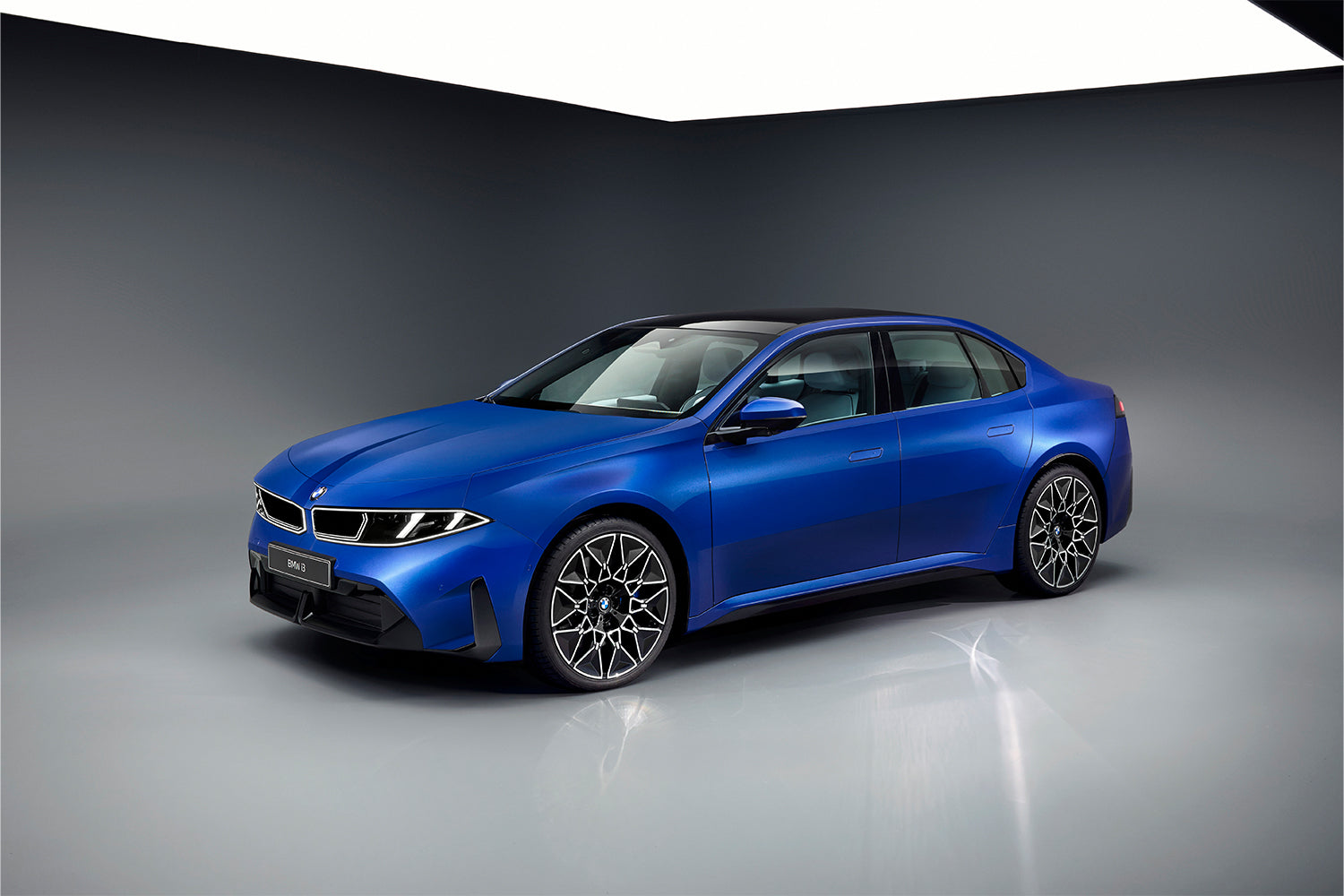
Design: Evolution Over Reinvention


BMW has taken a relatively conservative approach with the i3 Neue Klasse’s design, especially considering the platform shift underneath.
On paper, the proportions tick all the right boxes:
- Long wheelbase
- Short overhangs
- Wide stance with flared arches
- A clean “2.5-box” saloon profile
In practice, this is less a radical Neue Klasse identity and more a carefully modernised 3 Series silhouette. That’s likely intentional. BMW appears to be prioritising continuity over disruption, particularly given the mixed reception to some recent design directions.

The front end blends traditional elements - kidney grille and quad-light signature - with a more integrated lighting approach. It seems less dramatic than the iX3 for some reason and not especially groundbreaking. The rear follows a similar pattern: tidy, technically precise, but safe.
Verdict: We quite like it. It's like a smaller and more subtle G90. However, there is concern that BMW are designing cars with only the Chinese market in mind. What do you think?
Powertrain & Range: Impressive on Paper

BMW’s biggest claims centre around efficiency, range, and charging—and this is where the i3 Neue Klasse needs to deliver.
Key figures for the i3 50 xDrive:
- Up to 469hp (345kW)
- 645Nm torque
- Dual-motor all-wheel drive
- Up to 560 miles (900km WLTP)
That headline range figure is particularly striking - but it’s important to apply context:
- WLTP figures tend to be optimistic compared to real-world driving
- Achieving maximum range will likely depend on wheel size, driving style, and climate conditions
- Comparable real-world figures may sit notably lower
That said, BMW’s sixth-generation eDrive introduces meaningful hardware changes:
- 800V architecture (now becoming standard among premium EVs)
- New cylindrical battery cells
- Cell-to-pack construction for improved packaging and energy density
Charging capability is quoted at up to 400kW, enabling roughly 250 miles in 10 minutes, but again, this depends heavily on charger availability. Ultra-high-speed chargers at this level remain limited in most markets.
Verdict: Technically competitive and potentially class-leading. But, real-world validation will be key.
Software & Driving Experience

BMW’s “Heart of Joy” system is central to the i3’s positioning as a driver-focused EV.
It consolidates multiple dynamic systems: steering, braking, regeneration, and suspension into a single high-speed control unit, with responses claimed to be 10x faster than previous systems.
In theory, this could address a common criticism of EVs: a lack of cohesion between systems and a slightly artificial driving feel.
In reality, this is difficult to evaluate without seat time. BMW has made similar claims before, and while their chassis tuning is typically strong, software-led driving characteristics remain an area where the industry is still evolving.
The addition of multiple “superbrain” processors also raises longer-term considerations:
- Software reliability
- Update consistency over time
- Complexity vs user experience
Verdict: High potential but extended seat time is needed.
Interior & User Interface

The interior represents one of the biggest departures from traditional BMW design.
The headline feature, Panoramic Vision, projects information across the entire width of the windscreen. Combined with:
- A 17.9-inch central display
- Optional head-up display
- AI-driven interface
BMW is clearly pushing towards a screen-dominant, software-first cabin.


The key trade-off here is usability:
- Does this reduce distraction—or increase it?
- Is the information hierarchy intuitive?
- How well does it function in everyday driving scenarios?
Early impressions suggest the system is visually impressive, but potentially overwhelming, particularly for drivers used to more conventional layouts.
Verdict: Technically advanced, but risks prioritising novelty over simplicity.
Manufacturing & Strategy: A Genuine Reset
From a broader perspective, the i3 Neue Klasse is less about the car itself and more about what it represents.
- Built in a heavily modernised Munich plant
- Designed around a new EV-first platform
- Positioned as the foundation for future BMW models
BMW is effectively resetting its entire product strategy around Neue Klasse, rather than adapting existing architectures.
This is significant and necessary. Competitors have already moved in this direction, and BMW’s previous EV efforts (while competent) haven’t always led the segment.
Verdict: Strategically important and potentially quite a big risk
Final Thoughts

The i3 Neue Klasse is clearly a major step forward for BMW but it’s best understood as a foundational platform rather than a G20 replacement.
Strengths:
- Strong core architecture (800V, new battery tech)
- Competitive performance and range targets
- Familiar, widely acceptable design
Uncertainties:
- Real-world efficiency vs claimed figures
- Software execution and long-term reliability
- Usability of the new interior interface